Toxicology
LC-MS/MS, Thermo Scientific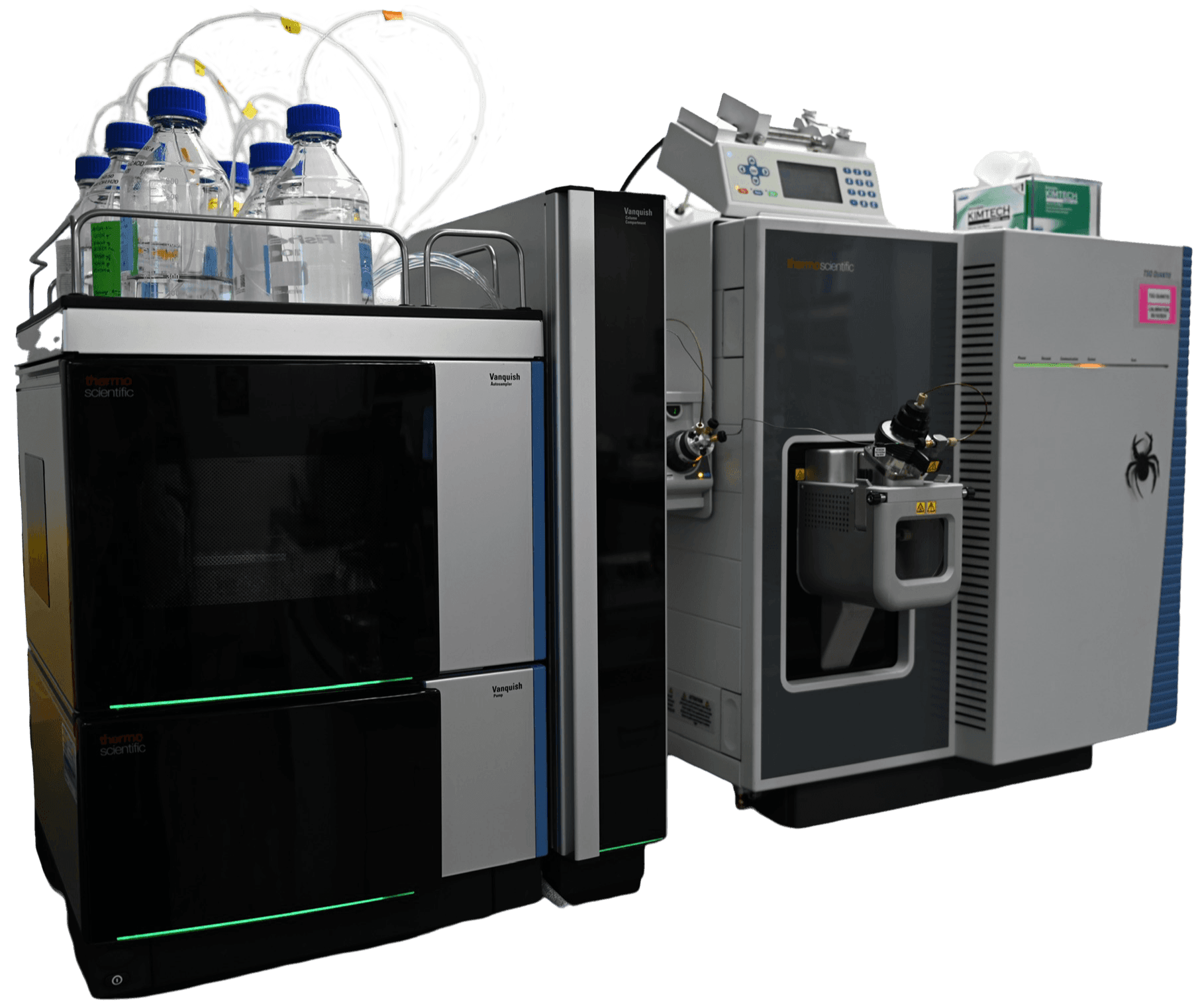
Ultra-high-performance liquid chromatography (UHPLC) coupled with tandem mass spectrometry is an instrument used to quantify drugs of abuse in blood. The liquid chromatography (LC) separates compounds within the blood sample. After separation, the sample enters the tandem mass spectrometer (MS/MS), where the structural identification of a compound is confirmed and the specific drug is quantified.
The video below displays the interior of the Vanquish autosampler where samples are loaded onto the LC-MS/MS instrument for drug quantification and confirmation analysis.
GC-FID w/ Headspace Analysis, Thermo Scientific
Gas chromatography coupled with flame ionization detection (FID) is a commonly used technique in blood alcohol analysis. Using headspace analysis, the GC-FID provides the blood alcohol concentration (BAC) of whole blood samples in DUI cases.
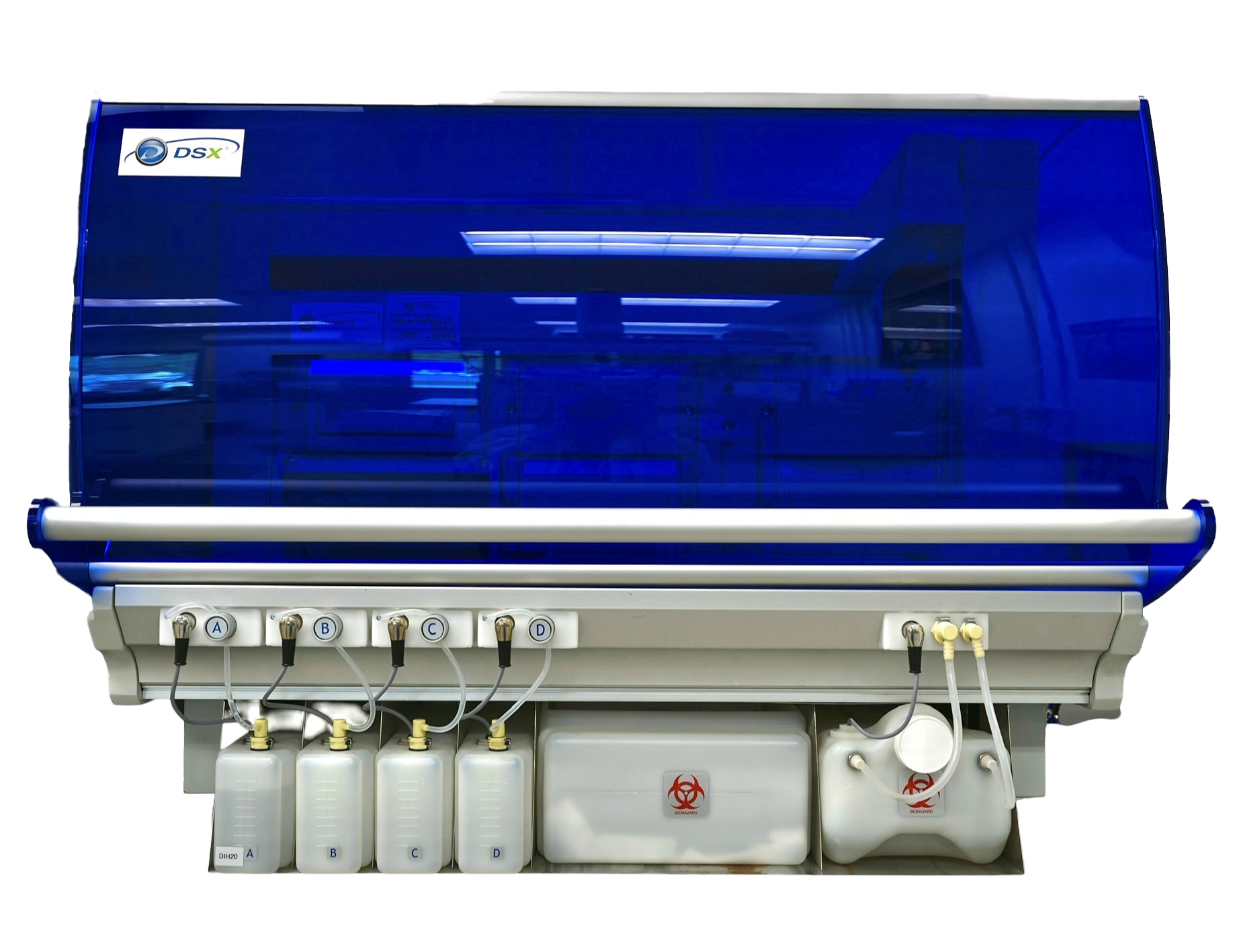 DSX, Dynex
The DSX is a fully automated processing system that uses enzyme-linked immunosorbent assay (ELISA) to screen for the presence or absence of drugs of abuse in biological samples collected from mainly DUI enforcement. If a drug is presumptively detected, analysts will proceed with quantification testing.
The video below displays the Dynex DSX instrument used in the drug screen analysis.
GC/MS, Thermo Scientific
Gas chromatography mass spectroscopy is an instrument used to quantify drugs of abuse in blood. The gas chromatograph (GC) separates the compounds in the blood before entering the mass spectrometer, where the structural identification of a compound is confirmed and the specific drug is quantified.
Blood Alcohol Specimen Collection Kit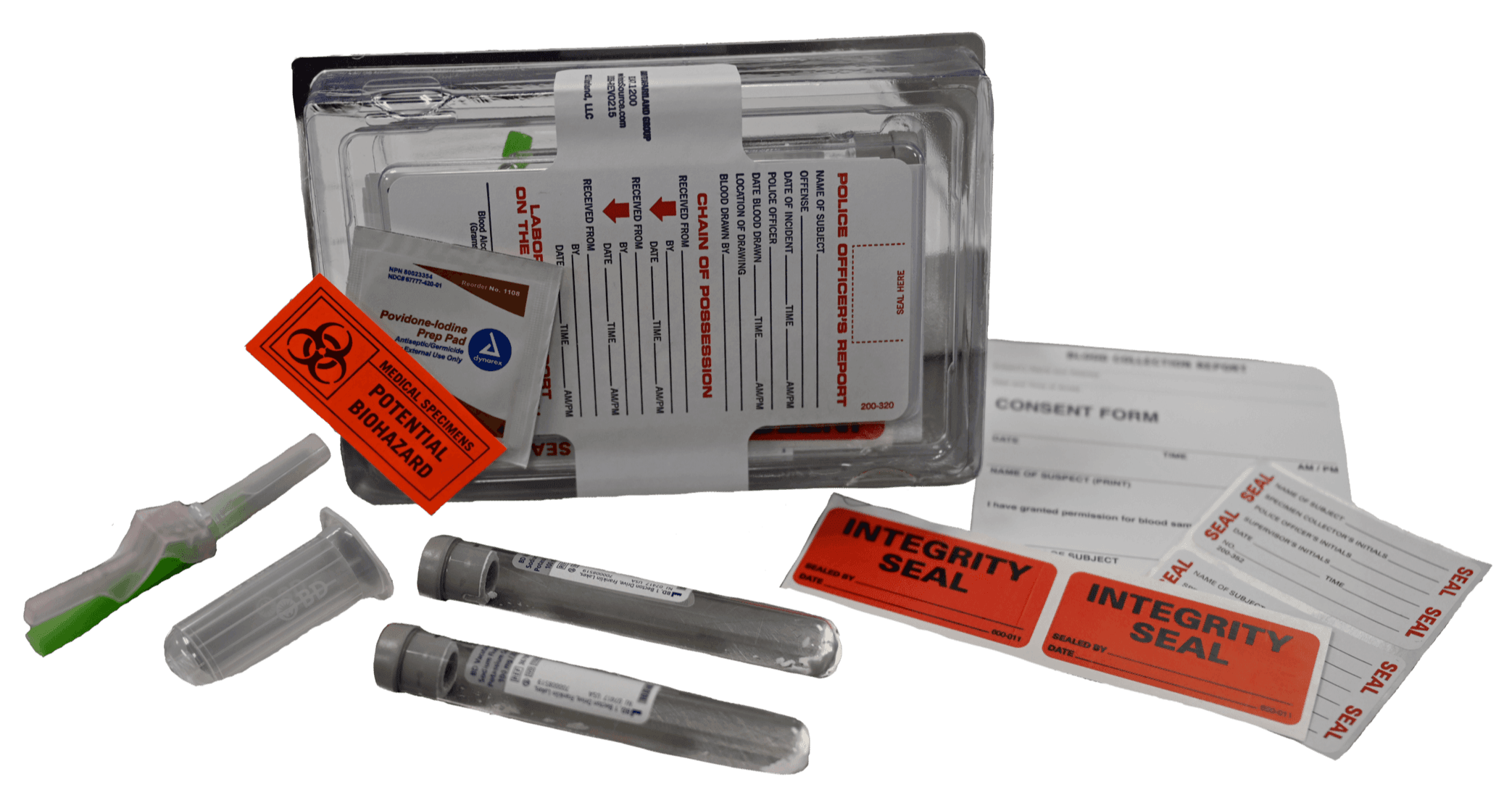
This specimen blood kit is used for the collection and storage of whole blood drawn from an individual believed to be impaired and under the influence of alcohol and/or drug(s). This kit contains two 10 ml vacuum tubes containing 100 mg of sodium fluoride and 20 mg of potassium oxalate, instructions for use, and all necessary forms, seals, and certificates to establish chain-of-possession.